
skill regression in scale modeling
written by uncle ricky
SKILL REGRESSION.
I always wanted to write a "blog," per se—mainly just a place to yap about all the shit I'm doing, which is a lot, honestly. Might yap about my projects, merch drops, movies, podcasts—IDK yet.
It's a blank slate. But what better way to start it off than by talking about a great topic I’ve been learning about, skill regression.
If you’re a listener of The Cutting Mat Podcast, you might remember hearing the term "burnout." It's a term you see a lot online. It's become almost a clickbait hobby topic among the content creators out there, and there's nothing wrong with that. Getting these topics to the masses is helpful and brings awareness to the lack of mental health care in online and IRL spaces. Many of the conversations around burnout focus on some of the cures and what can lead to burnout. In scale modeling, a lot of us experience it when working with a frustrating part that won't sit right or painting just long enough that it gets annoying. For everyone, it's different. Like, really fucking different, haha. Let's talk about the evil stepbrother—or maybe distant cousin? They're related, but it's fuckin’ skill regression.
the Cutting Mat Podcast:
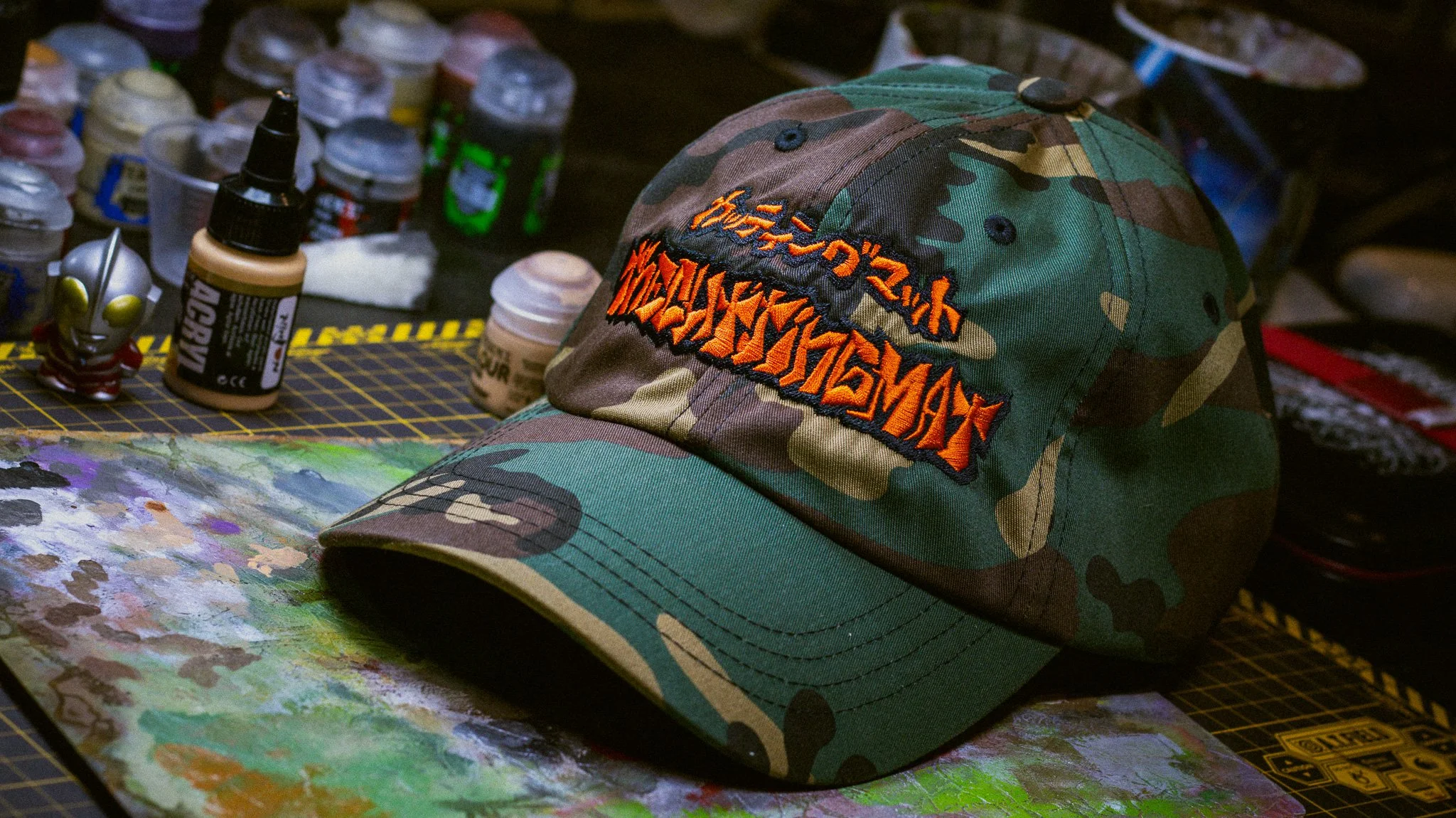
if you have not checked out our podcast yet you should, this is a sick hat we made for our Patreon members. you can go to the podcast section of the site to learn more.
Yeah, burnout seems scary, but wait until you start forgetting how to do shit straight up. Now imagine it happening literally overnight. This is something that can happen and seem like it came out of nowhere. Sometimes it can happen over a long time. I've been dealing with skill regression for the past couple of years and have been getting close to reaching my goals to get back to where I "was" before learning I had ADHD. I haven't tried the app or looked too much into the company, but Focus Bear wrote this about skill regression and ADHD:
"People with ADHD may notice skill regression more than the general population, especially if they are late diagnosed and have previously been 'masking.' The way that you practiced the skill prior to being diagnosed might not feel right anymore, and you might find it challenging to perform at the same level as before. This isn't to say that you won't be able to return to the same level you were at before—you just need to learn to do it a different way."
I was told this in a couple of different variations, but this is the one that made the most sense to me. It's also the least scary variation, haha. I had really bad anxiety and just simply wouldn’t paint models again. I was jumping to conclusions about what could happen instead of thinking about what I could change to make it not happen. In my personal experience, I was having an issue with snapping up kits and painting—pretty much the tasks I love doing and have been doing for years.
If you go online, you can find a lot of resources on what can work for managing and overcoming skill regression. I'll refer y'all to this article that has a great summary and list of how to handle this issue. For me personally, adjusting my medication, along with some life adjustments like proper sleep, has been showing me great results. I am painting daily now and even recording videos for YouTube again. Skill regression can look vastly different for everyone, and the steps for managing and overcoming it will be, too. I wanted to take the time to share with you all that it affects me, and currently, I am working on it. I hope you can find some of the resources helpful.
Speaking of helpful resources, please check out the Cerulean Project. They’re a great community project with mental health at the forefront. Doing a couple of projects and seeing them in print is one thing, but seeing the amount of support going into resources really helping the world is another. Anyways, hope y'all enjoy this lil writeup.